
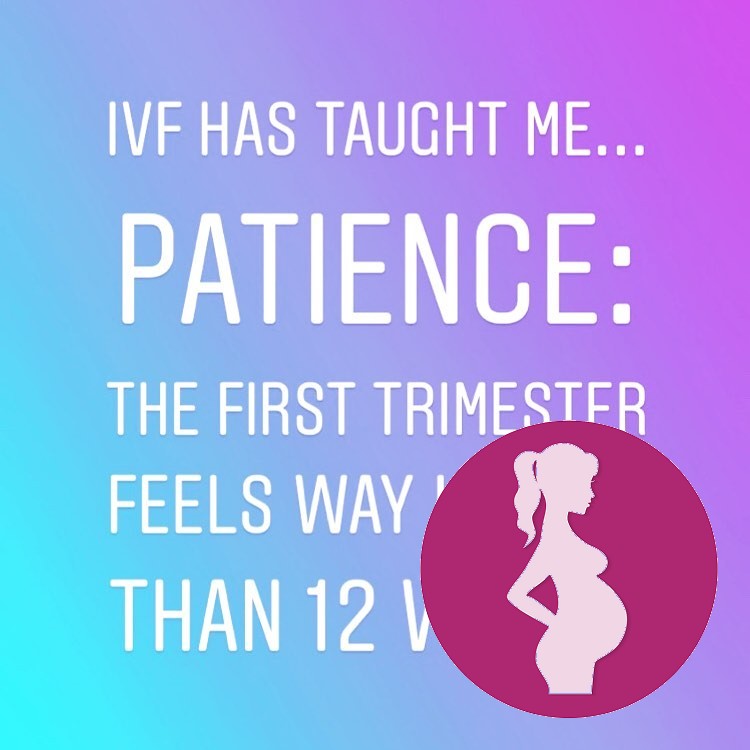
Does anyone else think following IVF the first 12 weeks is never ending…? #earlypregnancy #infertilityawareness #fertilityjourney #infertilityhope #fertilitystory #tearsfearsbabydreams #patience #infertilitycommunity #ivf #ivftaughtme #ivfuk #ivfishard #ivfpatience #ivfwarrior #infertilitywarrior #ivfblogger #ttc #ttccommunity #babybump #ttcsupport #ttctribe #ivfstruggles #ivfsisters
Month: July 2019
If I didnt have preeclampsia with my first pregnancy, can I get it in a future pregnancy
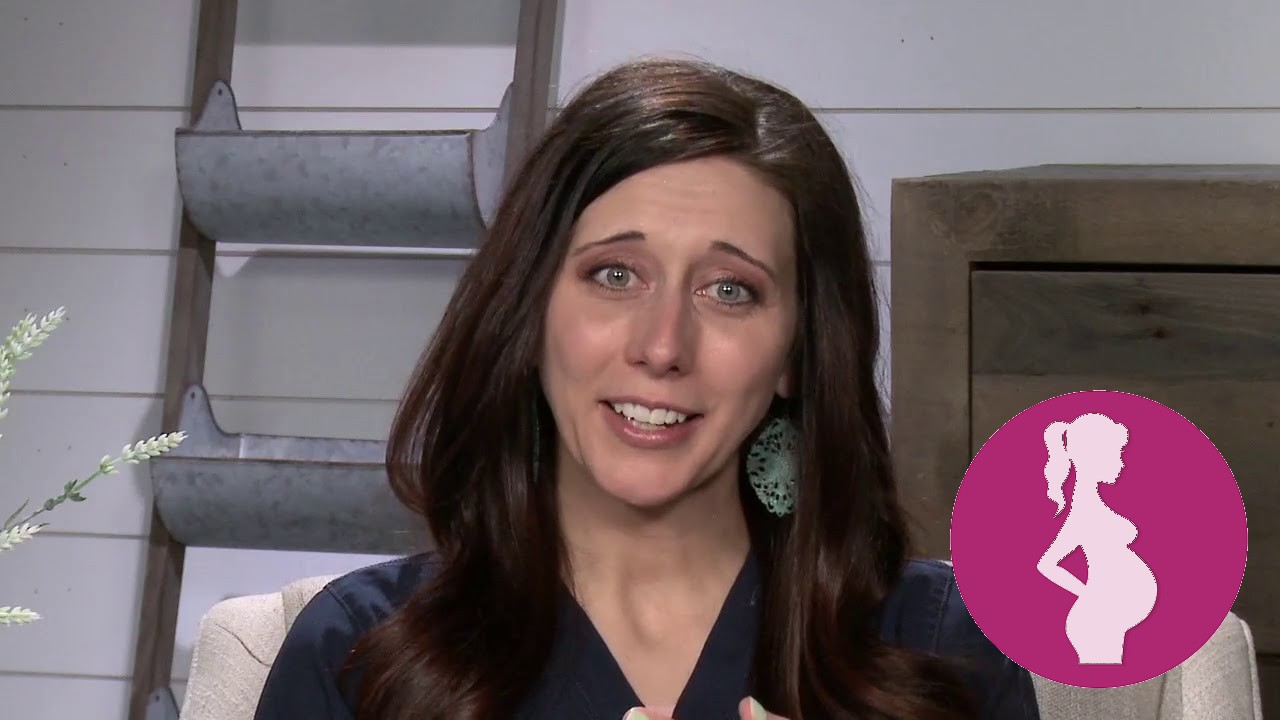
A woman is at greatest risk for developing preeclampsia on her first baby, and there’s a few different reasons for this. And your chances for getting it in the future, after having it on your first, depend on a few factors, like how early on in the pregnancy did you develop it and how severe of a case did you have. But your question is if you didn’t have it with your first, are you likely to get it in future pregnancies? And that’s an excellent question.
Generally speaking, if a woman didn’t have it with her first, then she’s not very likely to get it in the future, but there are factors that, over time, can increase your chances of getting it. One is advanced maternal age. So the older you get, the more likely you are to have it. Another factor is obesity. And the older we get, the more likely we are to have a few extra pounds, and this is compounded by having babies that are closer together. You want to make sure that you’ve been able to lose that baby weight before you get pregnant again. And along those lines, research has also shown that if a woman goes 10 years or more in between pregnancies, then she’s at greater risk for preeclampsia.
Also, we know that the father plays a role in the chances of a mother developing preeclampsia. You are at just as high of a risk of getting it in a future pregnancy if you have a new partner as you were with your first. In other words, every time you conceive with a new father, your chance of preeclampsia is just as high as it was with your first pregnancy. If you have more specific questions about your circumstances, talk with your doctor, and they’ll be able to give you tailored information and advice. And if you have more questions in the future for me, feel free to ask them on our Intermountain Moms Facebook and Instagram pages, and recommend us to your friends and family too.
Are you suffering with morning sickness Read our top tips from lemon tea to ginger biscuits Morn…
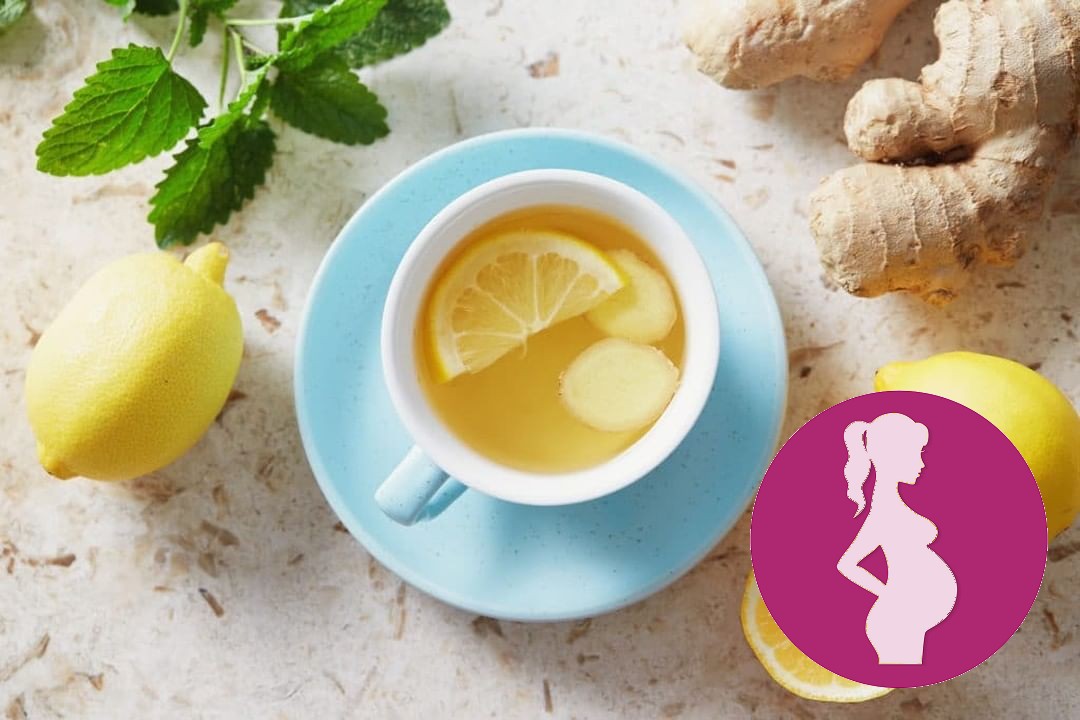
Are you suffering with morning sickness? Read our top tips from lemon tea to ginger biscuits!! #MorningSickness #Hyperemesis #EarlyPregnancy #PregnancyAdvice #PregnancySupport
https://www.theparentacademy.co/post/tips-for-dealing-with-morning-sickness
What To Do When You Find Out Youre Pregnant – Take A STEP
Once you see a positive pregnancy test result, you have a myriad of different emotions, and then after the dust has settled, then, of course, you think, “Well, what do I do next?” And so to help you take that next step, think, “Take A STEP.”
“Take” stands for take a prenatal vitamin. If you haven’t already been taking one, then start now. Pick one that has at least 400 micrograms of folic acid in it. And actually, it’s best if you can take a prenatal vitamin prior to getting pregnant, because you want to make sure you have enough circulating folic acid in your system when the baby is developing in those early days of pregnancy to prevent neural tube defects, specifically, spina bifida is the one that most people are familiar with. But like I said, if you weren’t taking one prior to when you find out you’re pregnant, there’s no better time to start taking one than now, and that will help ensure that your body has what it needs to grow a baby.
“A” stands for avoid alcohol. There is no safe amount of alcohol during pregnancy, and this includes beer or hard liquors. The alcohol that a mother consumes can pass through the placenta and it can cause a spectrum of disorders for the baby from physical deformities to cognitive impairments later in life. So again, there is no safe amount of alcohol during pregnancy.
The “S” in “STEP” stands for schedule your first prenatal appointment. And this should be scheduled before 13 weeks gestation, so as soon as you find out you’re pregnant, you can call and make your appointment, and you’re usually seen between 8 and 12 weeks, but, for sure, it should happen by 13 weeks and you can plan on about 13 appointments throughout the pregnancy or more if your circumstances warrant it. Prenatal care is very important to make sure that you and the baby are as healthy as possible.
The “T” in “STEP” stands for think twice about medications. This includes over-the-counter medications, prescriptions that you were taking when you found out you were pregnant, as well as herbal supplements. When you have your first prenatal appointment and your doctor asks you what you’ve been taking, be honest about everything you’ve been taking and using so that they can determine if it’s safe during pregnancy or not. If there’s something that you need to be on that isn’t safe during pregnancy, they can look for alternatives that have less risks or side effects and prescribe that instead.
The “E” in “Take A STEP” stands for exercise. And if you’ve already been exercising before conceiving, you can usually continue with those routines after getting pregnant. A few modifications might need to be made, like around 20 weeks gestation, your doctor will tell you to start sleeping on your side, and so this will also mean that you shouldn’t be doing any exercise routines that put you flat on your back. If you weren’t exercising prior to conception, then this is a great time to start. The goal is to shoot for 30 minutes of moderately intense cardiovascular exercise on most days of the week, but that’s not going to happen over night. You’ll slowly work your way up to that, so just start by walking for 10 to 15 minutes each day. Slowly work your way up to a half hour and then increase the intensity of your workout slowly so that that’s ultimately what you’re doing is 30 minutes of moderately intense cardiovascular exercise. If, at any point, you start to cramp or bleed, then stop, and call your doctor, and get instructions from them. And exercise can and should be continued throughout the pregnancy unless your doctor tells you that your circumstances warrant bedrest or not exercising.
The “P” in “Take A STEP” stands for pick a provider. And this can actually be pretty difficult, especially if it’s your first baby or you just recently moved from somewhere else and you don’t know the doctors in you area. I suggest starting with your insurance company. Call them and get a list of providers in you area that deliver babies and then you can shorten that list by finding out who’s closest to your home, talking to friends and family and getting some information by word of mouth, and you can even visit a few offices and make sure you like the location, you like the staff. But if you actually want to meet a provider, you’ll have to make an appointment with them, because it takes a slot out of their day.
So just to quickly recap, if you just found out you’re pregnant, start by “Taking A STEP”. Take a prenatal vitamin, avoid alcohol, schedule your first prenatal appointment, think twice about all medications, exercise, and pick your provider. If you have more questions in the future for me, feel free to ask them on our Intermountain Moms Facebook and Instagram pages, and recommend us to your friends and family too.
As a mom, I would love to know what it feels like to be a dad. Who better to ask than Patrick himsel…
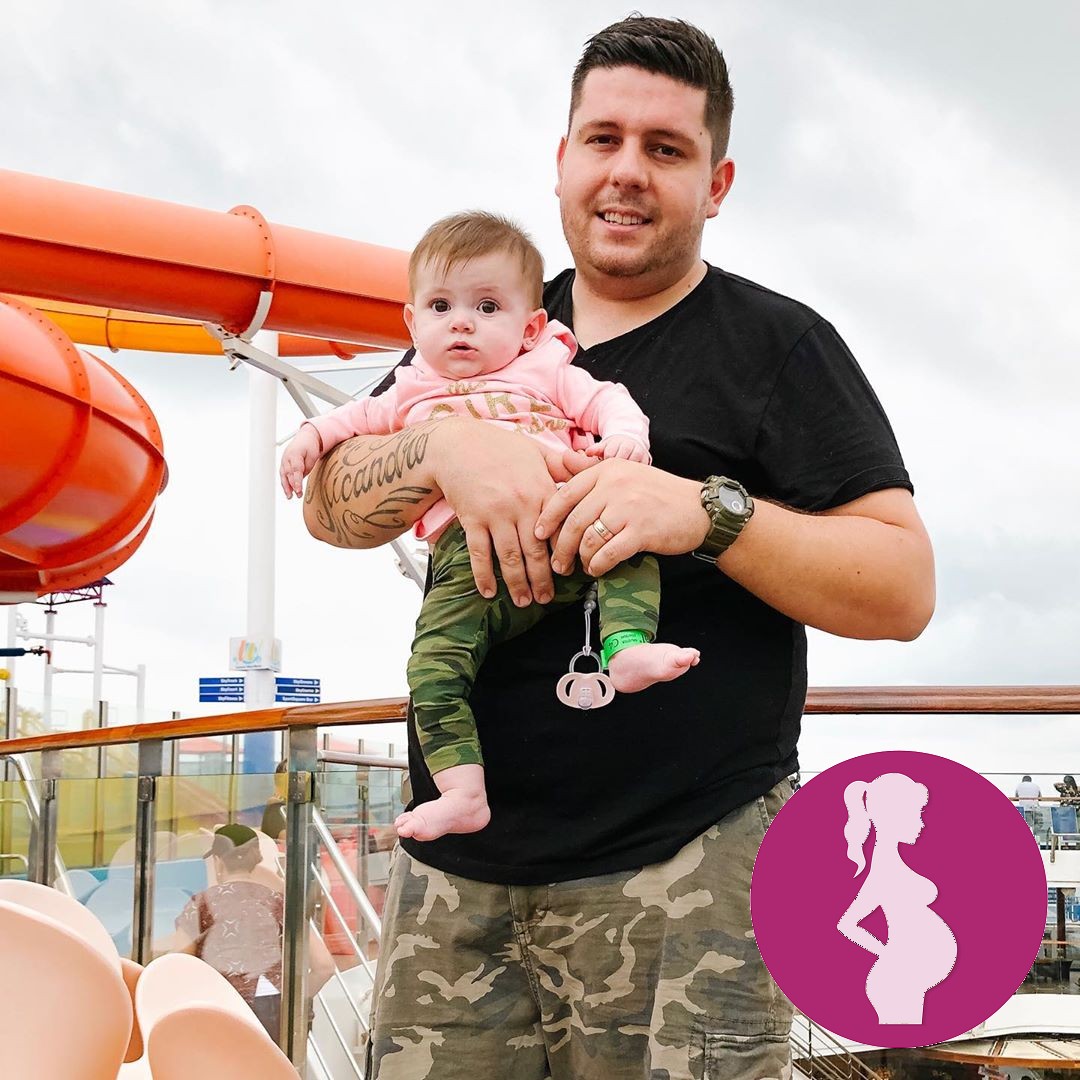
As a mom, I would love to know what it feels like to be a dad. Who better to ask than Patrick himself! Tonight’s blog will give us a little insight into Patrick’s world: how he felt when he became a dad and the emotions he feels when we get negative pregnancy tests ✨ launching at 9pm tonight on our website (link in bio)
.
.
.
One thing I can tell you is that this was very hard for him. It took me days just to get him to agree to sit down and have a conversation with me about it; and then when the conversation would start he would change the topic or find something else to distract us. Although I didn’t get as much as I would like from him to help me understand the dad perspective, I got a little so this will be Volume 1, with Volume 2 still to come in the near future ✨
.
.
.
#dadsperspective #beingadad #dadssupportingdads #familyblog #ttcblog #ourstory #mytinytribe #raisingafamily #honesty #ttc #ttccommunity #lifeasadad #dad #daddyslittlegirl #conception #earlypregnancy #pregnancy #growingalicandros #mynameisdad #rawfeelings #blogger
What factors can affect my babys birth weight
You wanted to know what factors are going to affect the birthweight of your baby. And one of the biggest factors is the gestational age a baby is born at. If a baby is born at 32 weeks, then they’ll weigh less than a baby that’s born at 40 weeks, and that’s just because it depends on how long they’ve been in there cooking, or how long they’ve had time to grow. Another factor is genetics. And in some cases, let’s say a dad weighed 10 pounds and a mom weighed 7 1/2 pounds when she was born, and so you wonder how much is the baby going weigh? Is it going to be an average of the two, or more like mom, or more like dad? And really, you don’t know whose genes that baby got, and so you won’t know until they’re born.
Besides the point in pregnancy a baby is born at, and the weight of the parents, and their genetics, there are many other factors that affect a baby’s birthweight. Some, you can modify or do something about, and others, you can’t. A couple of modifiable factors include maternal diet. For example, if a mother doesn’t eat enough or get the nutrients that she needs during the pregnancy, then the baby may weigh less than other babies at their same gestational age. If the mother consumes alcohol or smokes tobacco, then the baby is also likely to be at a lower birthweight.
One of the things that a woman can’t control is her age. And teenage mothers are more likely to have smaller babies, and women, 35 and older, are more likely to have larger babies. Other things outside of the mother’s control include genetic disorders that the baby may have that affect their size, the health of the placenta, and also the health of the mother. Sometimes there are conditions the mother may develop, like preeclampsia, that affect the growth and size of the baby. Maternal diabetes is another condition that can affect the size of a baby. If a mom has type 1 diabetes, type 2 diabetes, or gestational diabetes and her blood sugars aren’t well-controlled during the pregnancy, then the baby is likely to be large for their gestational age.
If you have more specific questions about your circumstances and the size or well-being of your baby, talk with your OB provider and they’ll be able to give you tailored information and advice based on their knowledge of your circumstances. If you have more questions in the future for me, feel free to ask them on our Intermountain Moms Facebook and Instagram pages, and recommend us to your friends and family too.
Did anyone else get a really bizarre period after MVA treatment …. Aunt Flow FINALLY showed up ex…
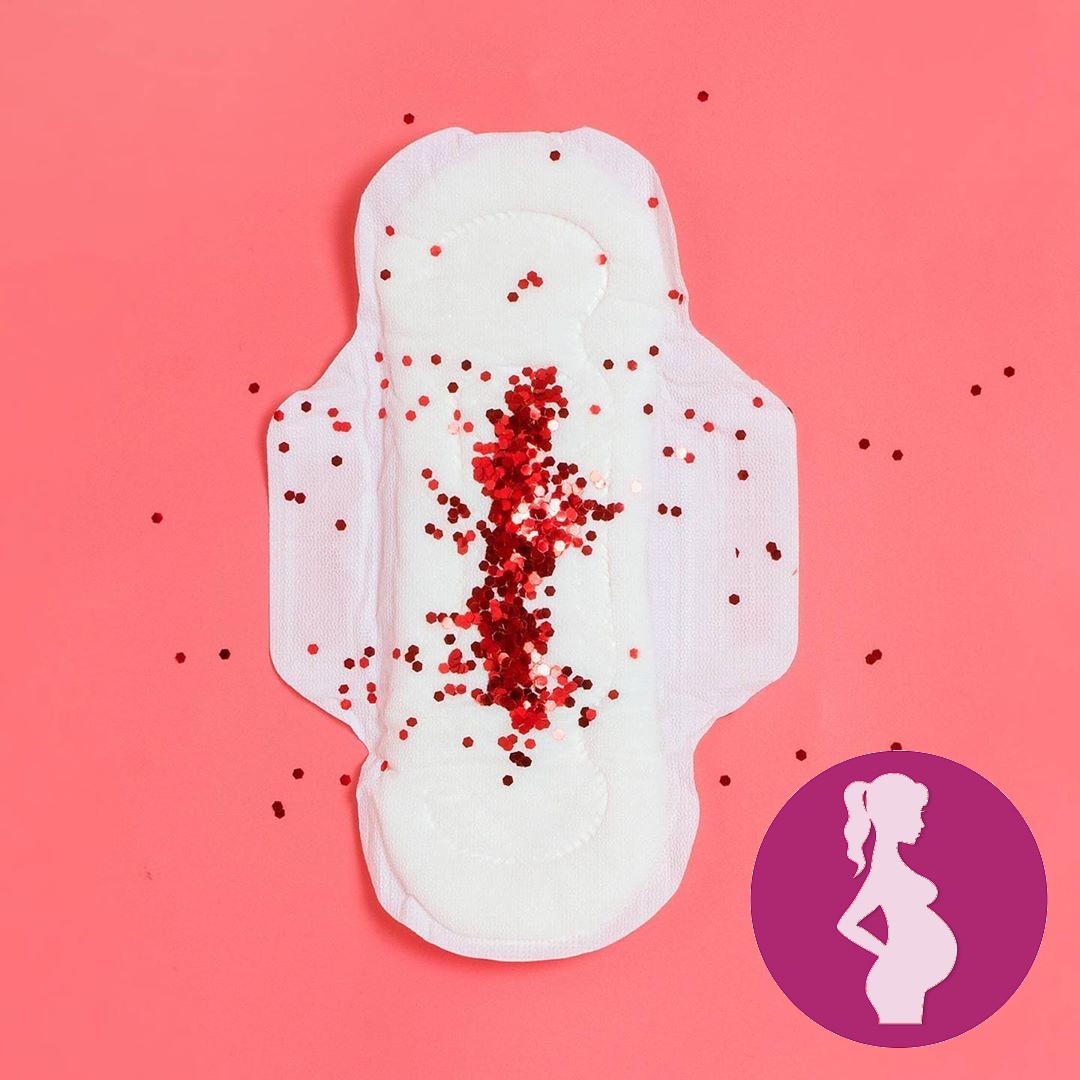
Did anyone else get a really bizarre period after MVA treatment? …. Aunt Flow FINALLY showed up exactly 4 weeks after treatment… well I say showed up not really ♦️ she decided to spot lightly for two days, bleed for 1 day, nothing for another 2 days, spot for an evening and now nothing again…. 6 days of confusion… it’s not going to make tracking the next one easy…. would this count as a period… 💭 ?? After the Dr’s saying the period would most likely be heavy I wasn’t expecting this…. #pregnancy #earlypregnancy #earlypregnancyloss #earlypregnancylossawareness #miscarriage #missedmiscarriage #earlymiscarriage #pain #heartache #heartbreak #silentmiscarriage #miscarriagesucks #firstperiodposttreatment #periodornot #confusing
What should I do for morning sickness
Morning sickness (wrongly named, because you can actually experience nausea or vomit at anytime of the day or night during pregnancy) affects about 90% of women by about 8 weeks gestation. Luckily, most women start to feel better between 16 and 20 weeks, but for an unlucky few, it can persist for the entire pregnancy. Basically, it’s safe to say that you’ll experience it at some point, and here are a few things that you can try when you experience nausea.
Number 1, avoid things that trigger nausea. For some women, this may be certain foods or smells. Maybe it’s heat, or humidity, or a feeling of claustrophobia. Sometimes it’s excessive lights or excessive movement, and other times, it’s just not getting enough sleep.
Number 2 is brush your teeth after each meal to clear your palette of any lingering tastes from your last snack or meal.
Number 3 is take your prenatal vitamin before bed with a snack instead of in the morning or on an empty stomach. If you’re doing this and still finding you’re not getting much relief, then consider a chewable form.
Number 4 is determine what actually sounds good to you and stocking your house with those items so that you have some go-to’s. Generally speaking, most women find that salty, bland snacks are best, so things like crackers, pretzels, and toast go over well. Research has actually shown that adding in protein-rich foods can also help with nausea, so you may want to consider eating those crackers with some peanut butter or cheese. And you can also have some nuts for a snack. Those might help too.
Number 5 is avoiding an empty stomach. Eat something every 1 to 2 hours while you’re awake, and start the day, set the tone for the day, by having some crackers at your bedside and eating a few before getting up in the morning and even going to the bathroom. If you’re getting up frequently at night with nausea, you may also find that eating a few crackers in the middle of the night is helpful.
Number 6 is avoid overeating and eating too quickly, and that will be easier to do if you eat something every 1 to 2 hours. If you get extremely hungry and you eat really fast, then you’re likely to get sick afterwards.
Number 7 is to make sure you stay well-hydrated, and you might find a little relief from the nausea by drinking fluids before and after meals. Most pregnant women find that cold, clear, carbonated, and sour beverages sound the best, so turn to things like ginger ale or lemonade. Popsicles are also good to suck on in between meals if you need something to keep a good taste in your mouth.
And Number 8 goes back to ginger. Our grandmas were actually onto something. Ginger can help with nausea, so look for ginger lollypops, drinks, and candies.
If these interventions aren’t making a difference, talk with your OB provider about vitamin B6 and diclegis. These are frontline medications with minimal side effects that help most women with nausea during pregnancy. Your OB provider will determine if these are warranted for you. In more serious cases, nausea and vomiting can cause dehydration and weight loss. This condition is called hyperemesis gravidarum and will require intervention. This may include medication, supplementation, and IV therapy. Definitely call your OB provider if you can’t keep food or fluids down or if you’re losing weight, and they’ll determine what intervention is best for you.
If you have non-urgent questions during your pregnancy, check out Intermountain Moms on Facebook or Instagram where you can ask me your questions. And you can also look up our YouTube channel, Intermountain Moms, where we have a video library containing thousands of videos about pregnancy, labor and delivery, and newborn care.
Some symptoms are starting to creep in for Jane, her breasts are super sore Shes kinda happy…
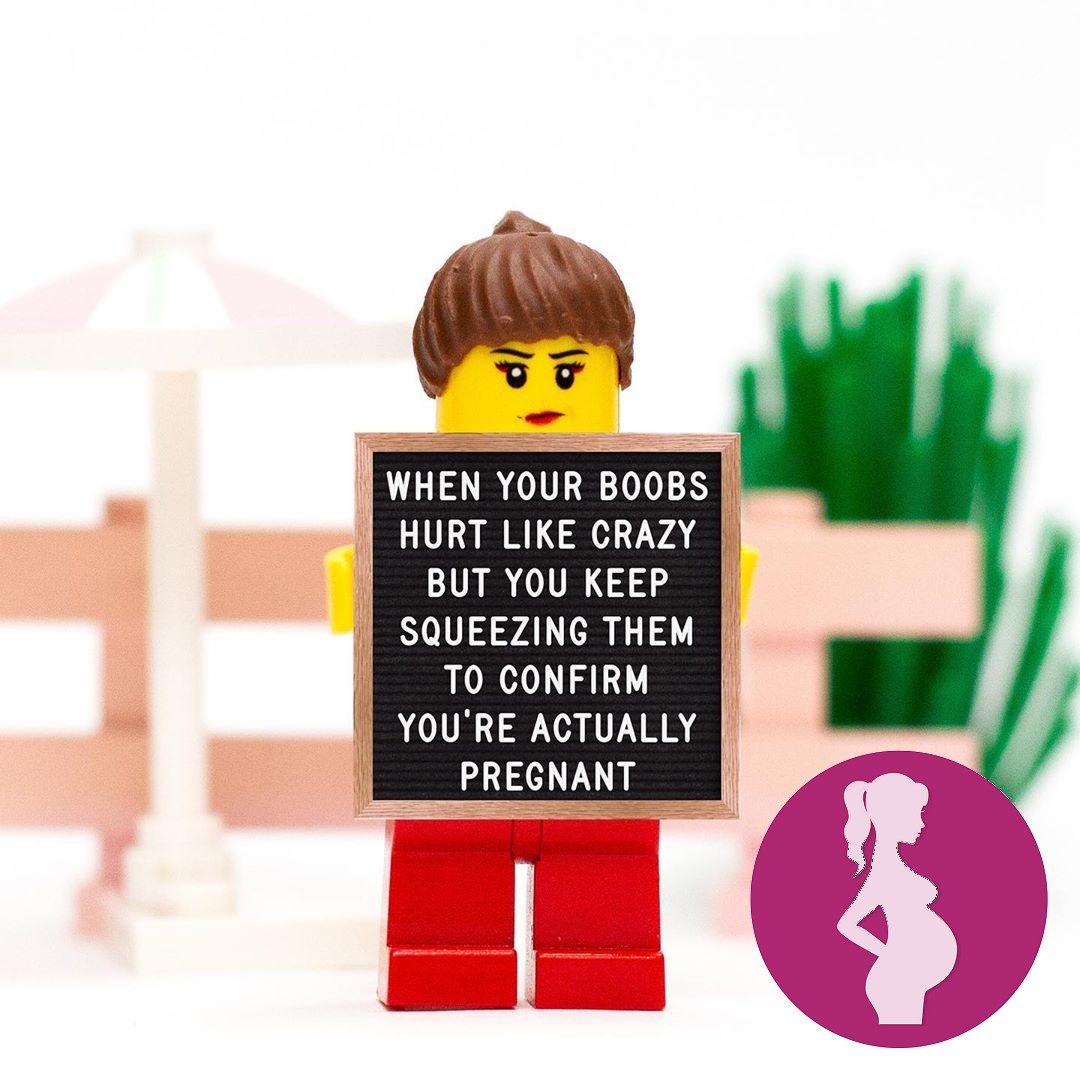
😂🤣😂
Some symptoms are starting to creep in for Jane, her breasts are super sore! She’s kinda happy because this helps her feel like she is actually pregnant. 🤰🏼
Her favourite part of the day is taking off her bra once she gets home from work!
But why do your breasts get sore in pregnancy?
⬇️
In early pregnancy a bunch of stuff is happening to support your growing baby. You have lots of hormones rushing through your system, including progesterone and estrogen. These hormones are causing that extreme soreness, ouch!
Your breasts will start to grow so that they can feed your baby. 🤱The fat layer in your breasts thickens and you grow more milk glands and blood flow increases to them. You might notice that they are more vein-y than usual, that’s normal too!
Some women don’t experience these changes right away. Your breasts might not get bigger until the second or third trimesters! Every one is different. They might not even be sore at all.☺️
Also, each day your symptoms might fluctuate. Your breasts might be super sore one day and you might feel nothing the next day. Please don’t worry, it’s totally normal for symptoms to come and go! Your body isn’t a machine and your experience might be totally different to other people’s, so don’t compare!
Were your boobs sore during pregnancy? Did they change in size?
#babytalk #birthwithlego #preggolego #earlypregnancy #firsttrimester #firsttimemom #babyonboard #pregnantlife #preggo #preggobelly #soreboobs #earlypregnancysymptoms #pregnancysymptoms #5weeks #8weekspregnant #30weekspregnant #secondtrimester #healthypregnancy #birtheducation #3monthspregnant #firsttrimesterpregnancy
What to pack in your hospital bag for Labor Delivery
Are you wondering what to pack in your hospital bag when going to Labor & Delivery to have your baby? Nurse Dani finds out what women, men, doctors and nurses all have to say about it! Ask Nurse Dani your own questions about women/baby issues on Intermountain Moms’ Facebook and Instagram pages 🙂
FACEBOOK: http://www.facebook.com/intermountainmoms
INSTAGRAM: https://www.instagram.com/intermtnmoms