
🙏🏻
Month: July 2019
How do I know if my ovulation cycle is normal, and what are reasons to call my doctor
A normal cycle length is anywhere from 25 to 35 days from the beginning of one period to the beginning of the next. And it’s normal for cycle lengths to vary a little bit, like one month it might be 28 days, the next month might be 30 days, and that’s okay for it to vary a little. As for flow, it usually lasts about 4 to 7 days. And the heaviest flow is usually seen at the beginning of the period or during the first couple of days, and then the flow should taper off and go from bright red to pinkish/brownish, and then taper off to just normal white or tan discharge by the time the period is done, 4 to 7 days after it started.
You asked specifically about heavy bleeding. What defines heavy bleeding, and when should you call your doctor? And this is a good question. If you are saturating a pad within an hour, or if you’re having to double up on pads and tampons, so you’re using 2 of each, or you’re using both, or if you’re having to change during the night, if you’re passing clots larger than a quarter, or if you’re bleeding for longer than 8 days, then these are all reasons why you should talk with your doctor. And there’s multiple things that can cause heavy bleeding, so your doctor would ask you more specific questions about your cycles and about your health history and then determine if further investigation is necessary. Also call your doctor if you’re having bleeding in between periods or if you’re experiencing bleeding associated with intercourse. If you have more questions in the future for me, feel free to ask them at Intermountain Moms on either our Facebook or Instagram pages, and recommend us to your friends and family too.
See your little one grow from as early as 6 weeks here at book nowclick for number mi…
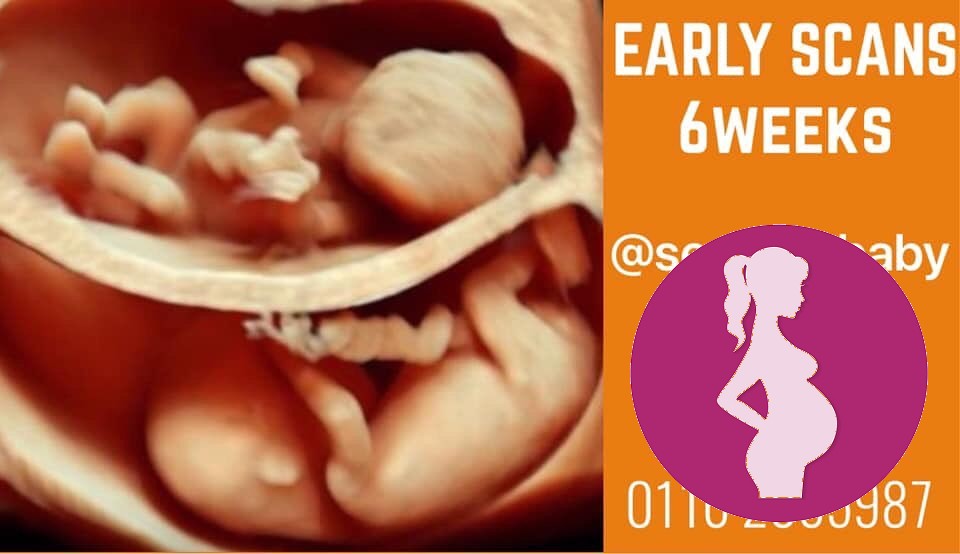
See your little one grow from as early as 6 weeks here at @seeyourbaby 😍🥰 book now- 0116 2895987 #midwifery #love #family #twins #forever #pregnancyblog #boyorgirl #mum #dad #midwife #genderscans #earlypregnancy #leicester #leeds #birmingham #manchester #liverpool #nottingham #derby #midwiferyledclinic
Why do I get nauseous while breastfeeding or pumping

You wanted to know why you feel nauseated when you nurse or pump. And this is actually a thing. Some mothers do experience this in the early weeks after having a baby, and for most, it goes away by about the 6th to 8th week postpartum, but for some, it persists. If your baby is a little bit older, then you should consider pregnancy if you weren’t nauseous in the past but then you start to get nauseated while nursing when your baby is a little bit older. Take a pregnancy test to find out if that’s the cause. But in the early days, it’s thought to be oxytocin. This is the hormone that is released when your milk is let down. And for some women, it causes nausea. For others, it may cause headaches. Some women even feel depressed, or anxious, or angry when their milk lets down. So if you’ve experienced any of these other sensations or feelings while breastfeeding, it may very well be the release of oxytocin.
Now, for nausea, specifically, there are things you can do to combat it, and it’s very similar to what you did during pregnancy to help with morning sickness. Eat a cracker or a piece of bread before or during nursing and make sure you’re drinking a lot of fluid. Even if you’re not thirsty, drink some more water or something that tastes good that you can stand the thought of while you’re nursing, and this should help to calm your stomach a little bit. Also keep in mind that after you’ve had a baby, you’re usually sleep deprived, and this can cause nausea as well, and so it’s easier said than done, but get as much rest as you can. Sleep when your baby sleeps, especially if this is your first. You have an opportunity to nap when your baby naps and you should take advantage of that. If you have other children to care for and you can’t nap every time your baby sleeps, then turn to friends and family. Ask them if they’d be willing to come over to your house for an hour or two so that you can catch up on some much needed sleep.
If the nausea persists, and/or gets worse, or you have other sensations associated with it that you’re concerned about, talk with your doctor, and after asking more specific questions, they can give you tailored information and advice about it. If you have more questions in the future for me, feel free to ask them on our Intermountain Moms Facebook and Instagram pages, and recommend us to your friends and family too.
We love meeting so many wonderful new mums every day, definitely the best part of our job Thank you…

We love meeting so many wonderful new mums every day, definitely the best part of our job! Thank you for such a lovely review Paige 💕
How can I help my child with his nightmares
You wanted to know what you can do for your 3 to 4 year old child who’s having nightmares on a regular basis. And at some point, this is a normal part of life for all of us. Nightmares are common, but it’s not common to have them every single night and for them to keep a child up. A child who is excessively tired or who is under stress may have more nightmares than usual. And so it’s like – What came first, the chicken or the egg? If your child has a lot of nightmares, and they’re up a lot, and they’re excessively tired, then they’re more likely to have more nightmares, and so what do you do to stop the cycle?
It’s really important to react appropriately when your child has a nightmare. Go to your child as soon as you can and reassure them of reality – what’s real and what’s not. And one thing that really helped us when our son was having a lot of nightmares was to ask him what happened and then to finish the story in a different way – turn it into something light-hearted or funny that made him laugh, and then he would be more calm and able to go back to sleep on his own. So talk through the story. Find out if there are real fears that your child has that you can actually eliminate. For example, if they went to sleep thinking about the shadow in the corner and that contributed to their nightmare, then do what you can to eliminate the shadow.
The things a child does during the day and right before sleep can contribute to their dreams, and so do what you can to minimize scary stimulus during the day and especially before bedtime. Also limit electronics and TV prior to bedtime, and put your son to sleep around the same time each night following the same routine, and make sure that it involves the last thing that they’re seeing being something positive, and that’s probably your face and a positive word of encouragement or an “I love you” and a big hug. And again, when he wakes up, do the same thing – go in and encourage him. Make sure that he knows that you’re there for him.
On the same hand, it’s important to make sure that he stays in his own bed and that he is able to learn how to self-soothe to some point. By letting him come into your bed every night, that’s going to reinforce negative sleep behaviors for both you and for him, so do what you can to keep him in his bed. If he wants a nightlight and feels like that would help, then you can introduce that to see if it makes a difference.
If all of these suggestions aren’t really making a difference, especially if his nighttime wakings are affecting his ability to function during the day or you notice a difference in his behavior, talk with your pediatrician, and after asking more specific questions, they’ll determine if further investigation or intervention is warranted. If you have more questions in the future for me, feel free to ask them on our Intermountain Moms Facebook and Instagram pages, and recommend us to your friends and family too.
NOT A PREGNANCY ANNOUNCEMENTNightmare on Belvedere Manor..- now up on my blog babynu…
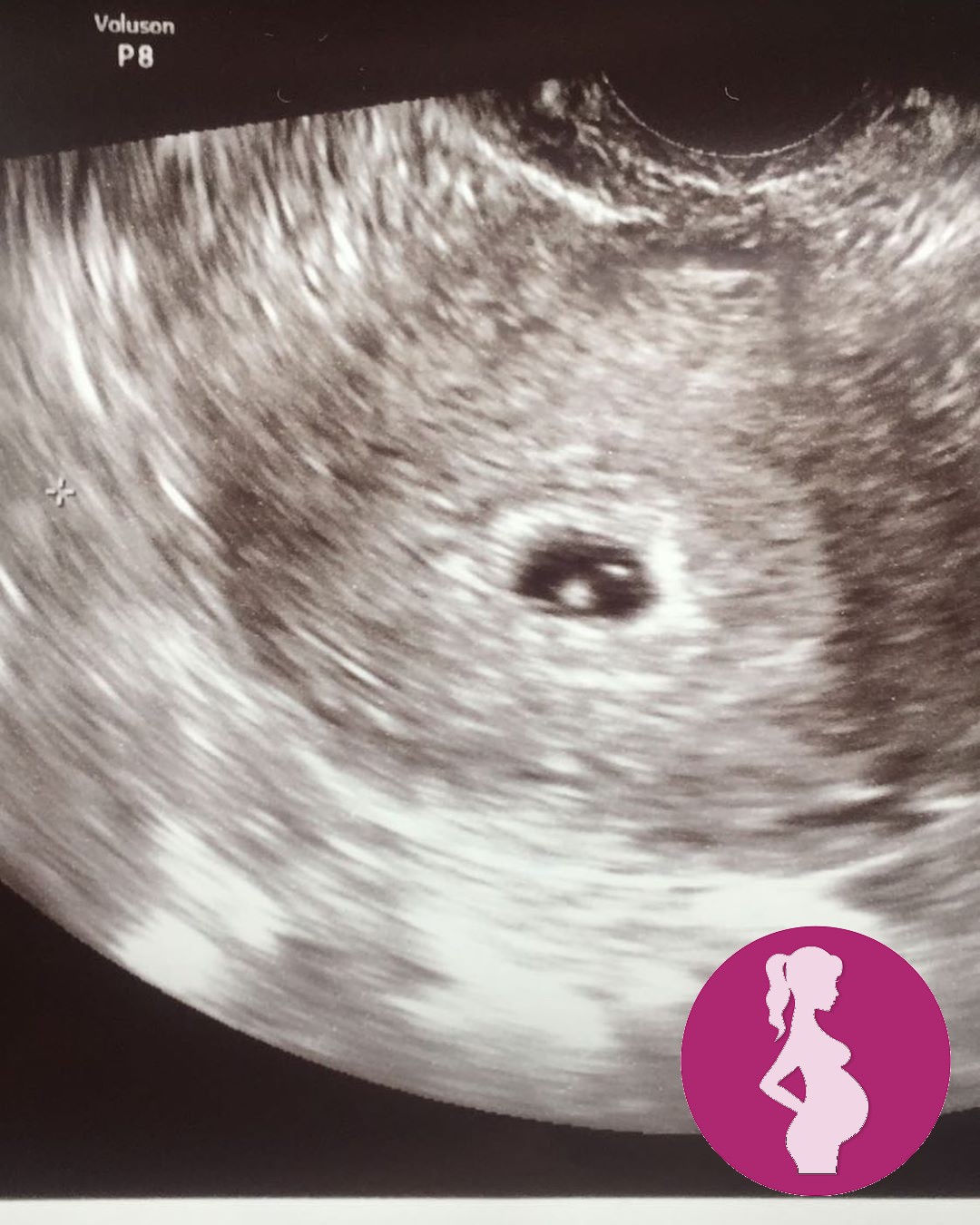
❌NOT A PREGNANCY ANNOUNCEMENT❌
Nightmare on Belvedere Manor..
– now up on my blog 🙂 • • •
#babynumber2 #pregnancy #earlypregnancyscan #earlypregnancy #mumbloggeruk #mumbloggerni #pregnancyscare #familylife #preemie #preemiebaby #newmum #newbaby #pregnant #pregnant_world
Can I feel my baby move in early pregnancy

You wanted to know if it’s possible to feel your baby’s movement early on in pregnancy. And about the earliest a woman is going to feel movement is about 16 to 17 weeks at the earliest. And some women may not feel it until about 20 to 21 weeks gestation. If you think about it, at 6 weeks, your baby is only about the size of a pomegranate seed, and so any movement is not going to be impactful enough for you to feel. And even at 9 weeks, the baby is only about the size of a cherry, and at 12 weeks, maybe about the size of a plum. So they need to be about the size of a sweet potato or a pear, which is around 15, 16, 17 weeks in order for you to feel their movements. If you are thinking that you might be pregnant and you’re wondering if the sensations you are feeling in your belly are movement, just keep that pomegranate seed in mind.
And if you feel like you might be pregnant, then take a home pregnancy test if you missed your period. That’s actually the first sign of pregnancy. So if your period hasn’t already been missed, then wait and see if the day comes when it should start and it doesn’t. And if that day comes, then take a home pregnancy test. But if you do start a period, then know that that’s a great sign that you’re not pregnant, because pregnant women won’t have periods. If you have more questions or concerns about sensations you’ve been having, if something is painful and it’s persistent or getting worse, then be sure to talk with your doctor about it, and after asking you more specific questions, they can give you tailored information and advice. If you have more questions in the future for me, feel free to ask them on our Intermountain Moms Facebook and Instagram pages, and recommend us to your friends and family too.
8 weeks.I was so excited to see teeny tiny hands and feet show up on the app toda…

🌈 8 weeks!!🌈
.
I was so excited to see teeny tiny hands and feet show up on the @oviahealth app today 🙆♀️🥰
This is definitely the furthest along in a pregnancy I have ever been, and for this I am truly grateful 🙏🏻😭
The fear is still constantly there, and I am always preparing myself to see blood whenever I go to the bathroom. I’m now in another tww with fingers and toes crossed until my next ultrasound 🤞🏻
The biggest changes in symptoms have been my boobs may require a new bra soon, and the bitter taste on my tongue has made eating less enjoyable. It’s so odd because some days I don’t even really feel pregnant other than the bloating. Every day I am continually learning to have faith that my body is providing a healthy pregnancy and my little rainbow is growing and healthy 🌈
.
.
.
#8weeks #8weekspregnant
#2monthspregnant #earlypregnancy #rainbowpregnancy #pcospregnancy #pregnantat40 #oviapregnancy #oviaapp #pcos #pcosttc #pcoscommmunity #ttc #ttcjourney #ttccommunity #ttcsisters #tryingtoconceive #ttctribe #fertilityjourney #infertility #infertilityjourney #infertilityawareness #infertilitycommunity #miscarriage #pregnancyloss #pregnancy #pregnant #rainbowbaby #pregnancysymptoms
What can I do for tailbone pain or a broken tailbone
You wanted to know what you can do for tailbone pain, and the answer to that will depend on the cause. Tailbone pain can be due to childbirth. It could be due to trauma. Maybe you fractured your tailbone because you fell or it happened during childbirth. Sometimes, it doesn’t actually have to be a direct fall onto the tailbone, but it can be repetitive sitting, like if you’re on a bike for a long time or if you have an excessively long plane ride. All of those things can cause tailbone pain. Referred pain from other problems in your lower back can also cause it, as well as instability of the joint of your lower back. In rare cases it can be due to serious things like tumors, but again, those are very rare.
Ultimately, if you’re experiencing pain, I suggest talking with your doctor about it, and after asking you more specific questions, they’ll determine what the cause is in your situation, and based on that, what the best management plan is. Let’s say, for example, that you broke your tailbone during childbirth or you fell directly onto it and fractured your tailbone. No medical management is needed in 90% of cases, and over-the-counter pain relievers, and heat, and ice, and position changes like sitting forward in the chair so you’re not putting direct pressure on the tailbone, or using pillows to soften the seat you’re sitting on will help as your body naturally heals. But sometimes intervention is warranted, and you’ll only know that if you go and talk with a doctor. If you have more questions in the future for me, feel free to ask them on our Intermountain Moms Facebook and Instagram pages, and recommend us to your friends and family too.