

I didn’t change. I’m just becoming more aware of what’s really worth my energy. .
#missing #missit #santorini #oia #greekisland #blueandwhiteforever #holidays #threeyears #bleachedblonde #classy #sunglasses #blackdress #blackisbeautiful #blackismycolor #horizon #greek #lovemylife #earlypregnancy #tourist #thisfeeling #travel #magicinmyveins #reisefüdli #griechenland
Month: July 2019
Health for Teenage Women Part 3
I cant stop looking at its little heart beat , god I love you so much already RainbowBaby Ea…
I can’t stop looking at its little heart beat , god I love you so much already 💗🌈👶🏻 #RainbowBaby #EarlyPregnancy #LongTimeWaiting #Perfection #MyBellyBean #GrowWellLittleOne
What role does progesterone have in conception and pregnancy
You wanted to know what role progesterone plays in conception and in pregnancy. And it plays a really important role in both. Progesterone dominates the 2nd half of a woman’s menstrual cycle, and begins to take over after ovulation, and it helps to maintain the endometrium (or the lining of the uterus) in preparation for pregnancy. And then once a woman is pregnant, it plays a very important role in maintaining the pregnancy. In some cases, doctors recommend checking progesterone levels about a week before a woman’s next period is expected to begin to see where the levels are at. And a level of 6 to 25 is considered normal, but a level of 2 or below may mean there was an unruptured follicle. And if your doctor has checked your progesterone levels, talk to them about what your results mean, and based on their knowledge of your circumstances, they can put it into context, interpret it for you, and give you tailored information and advice.
Progesterone, like I mentioned earlier, does play an important role in maintaining pregnancy, and around 7 to 9 weeks gestation, the placenta takes over and begins to produce this. And during the 2nd half of pregnancy, progesterone helps to keep the uterus calm and quiet and it also helps to prevent the water from breaking prematurely. So if a woman has a history of preterm delivery, then it may warrant progesterone supplementation in future pregnancies to increase the chances of her going to full-term or at least nearer to full-term than she made it previously. If you have more specific questions about your circumstances, don’t hesitate to talk with your OB provider who can give you tailored information and advice. And if you have more questions in the future for me, feel free to ask them on our Intermountain Moms Facebook and Instagram pages, and recommend us to your friends and family too.
thursdaythoughts endchildmarriage earlypregnancy
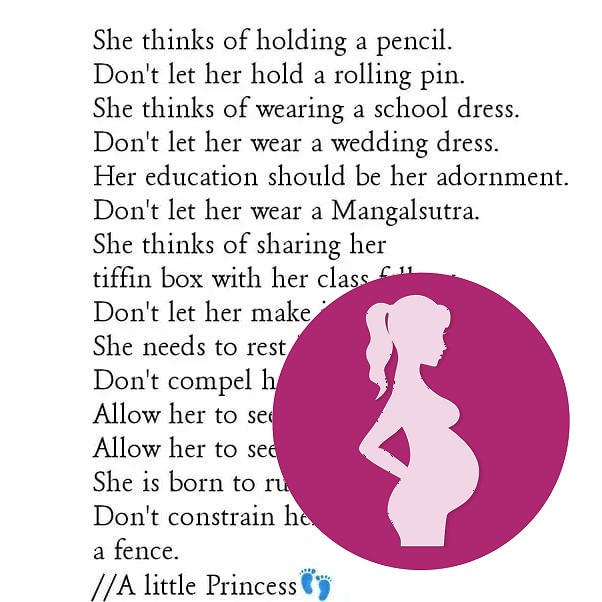
#thursdaythoughts #endchildmarriage #earlypregnancy
Do I need to get an epidural if Im having a VBAC
You wanted to know if it’s necessary to have an epidural when attempting a vaginal birth after a C-section (or a VBAC). And it is recommended to have an epidural, because it comes down to the inherent risk of needing another C-section. When you had a C-section in the past, the doctor made an incision on the uterus and delivered the baby, stitched it up, and it healed nicely, but it’s a weak point forever more. And that weak point is especially tested during labor and delivery, and there’s potential for it to rupture, and this is called uterine rupture, and when it happens, it is potentially life-threatening to mothers and babies. And so thankfully it only happens less than 1% of the time under the proper circumstances, but there is a risk for it to happen.
And there’s also a greater risk for a woman with a history of C-section attempting VBAC to need another C-section, not because of uterine rupture, but because of other issues, and you have to have some sort of anesthesia during a C-section to control pain. Those options are regional anesthesia, like an epidural, or general anesthesia. And there are inherent risks associated with general anesthesia for mothers and babies, and the list of risks is much longer for general anesthesia than it is for an epidural. For this reason, a doctor will recommend that a woman has an epidural in place during labor when attempting a VBAC. If you have more specific questions about it, talk with your OB provider and they’ll be able to give you tailored information and advice. And if you have more questions in the future for me, feel free to ask them at Intermountain Moms on either our Facebook or Instagram pages, and recommend us to your friends and family too.
TWO LINES I am currently fighting a head cold, I left work yesterday and had a feeling I was pregna…
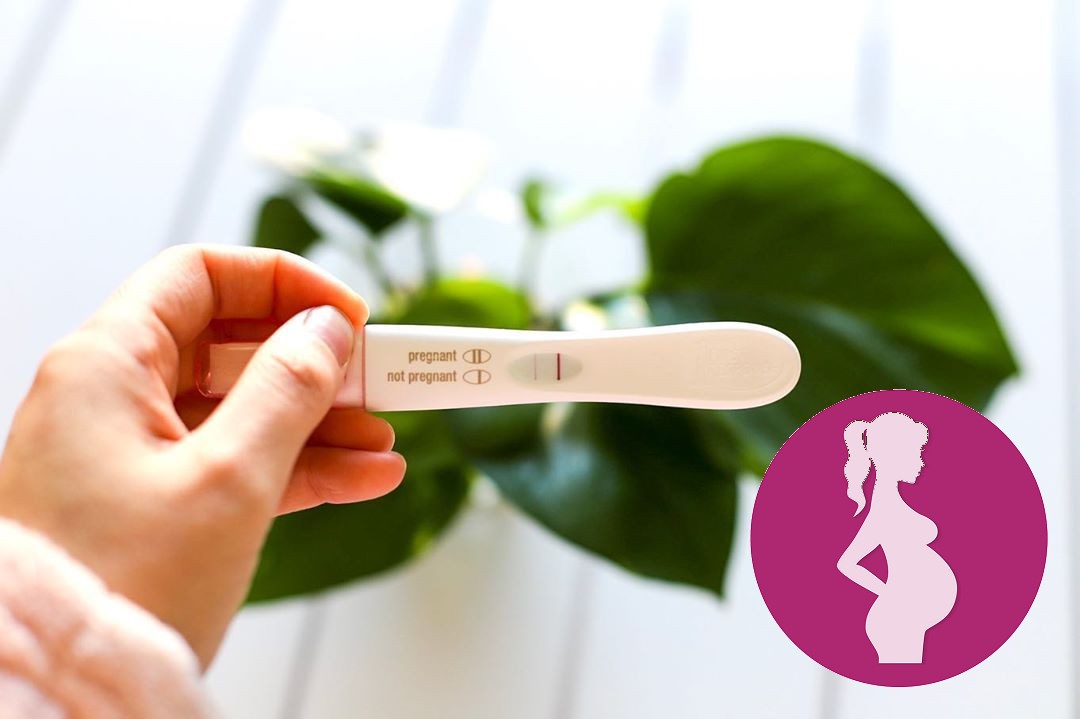
TWO LINES! I am currently fighting a head cold, I left work yesterday and had a feeling I was pregnant! I have been super gassy the last two weeks and for someone who hardly farts I could easily fill a hot air balloon with the amount of gas I was passing 😂 so I left work yesterday and took a pregnancy test. The line was so faint but there was a line, well my head was telling me there was one. Fast forward to 3am when I’m in bed sick as a dog, I decided to get up and do another to find a darker line which clearly indicates I’m pregnant! Though I’m so over the moon, I’m also so worried! Mine and Husbands blood aren’t so compatible, I am rh-negative while husband is rh-positive. This can cause issues within the pregnancy. So as happy as I am, I also don’t want to get my hopes up as I have miscarried before. I will be hoping all goes well and safe until the 12 week mark! Also if anyone knows any natural remedies to rid a cold, drop your remedies below! #pregnant #earlypregnancy #concieved #mummyblog #babyblog #babynumber2 #followmyjourney
Will sleep-training methods cause emotional problems for my baby later in life
Up to 50% of babies at 6 months of life are still waking up at night, and most parents have the expectation that a baby will be sleeping through the night at this point, so it’s a common cause of stress for parents. Sometimes if a baby is up all night, it leads to issues during the day with behavior, and they cry more, and they’re more fussy because they’re tired, or they may just totally have their sleep cycle messed up, and they’re sleeping more during the day, and they’re up more at night, and so, of course, if this is happening to your baby, you want to know what you can do. And sleep-training is a very effective way to help teach a child healthy sleep habits.
There are a few different forms, including “crying it out” or a more graduated approach where you incrementally increase the amount of time before you go check on your baby at night or during wakings during nap time, or where you slowly wean yourself from your child where you start out in their room and slowly work your way towards the door until you’re out of the room entirely. Whatever method of sleep-training you choose, sleep-training has been shown to be very effective. In fact, most studies have shown that more than 90% of the time, it’s effective and both children and parents are sleeping better with some persistence and patience.
The effects of teaching a child healthy sleep habits (which starts early on during the first year of life) are beneficial not just in the short term, but also in the long term. And some parents are hesitant to sleep-train, because they’ve heard or they worry that sleep-training may affect their relationship with their child later on or it may cause emotional scarring. And research has also been done on this topic and has shown that parents have great relationships with their kids when they are 6 years old if they were sleep-trained. And it actually (during the immediate period surrounding sleep-training) has been shown to improve marital relationships, because parents are now sleeping, they’re not always sleep-deprived, and it helps improve the quality of life for parents and children alike, because a baby is now sleeping at night, and that doesn’t affect their mood during the day, they’re less likely to be fussy and affected by being overly tired. Getting enough sleep basically helps everyone – parents and children, and so sleep-training is a good idea.
There are a few circumstances when a pediatrician may recommend against it, like when a baby is too young to be sleep-trained because they still need extra nighttime feedings, or if there are medical conditions that exist that necessitate checking on the child frequently, but generally speaking, sleep-training is great and it helps everyone to sleep better. If you have specific questions or concerns about your circumstances, talk with your pediatrician and they’ll be able to offer you tailored information and advice. And if you have more questions in the future for me, feel free to ask them at Intermountain Moms on either our Facebook or Instagram pages, and recommend us to your friends and family too.
So I had a little episode last night..First, I woke up yesterday looking and feeling a lot less …
So I had a little “episode” last night.
.
First, I woke up yesterday looking and feeling a lot less bloated in my mid section. Of course this had me worried all day.
After a higher carb dinner I had a migraine type headache that progressed through the evening and by 9pm I was lightly spotting red blood and vomiting in a cold sweat. I decided to check my blood sugar which was fine at 96. Then I decided to check my temperature. It was 95.7. I thought that couldn’t be right, so I retested with another thermometer and got the same reading. That’s when I got really worried because I can’t imagine that would be good for the baby. I took a long, hot shower then retested my temp which was 96.7. My headache and spotting subsided after that and I finally got some sleep (with plenty of night sweats too 😄).
When I woke up this morning my temp was back up to 98. I still have a slight background headache, my weight is down over a pound and I swear I feel less symptoms though I may be over worrying (which is what I am good at).
I called my RE this morning and they didn’t seem worried…the spotting is normal and they just want me to continue watching my temperature.
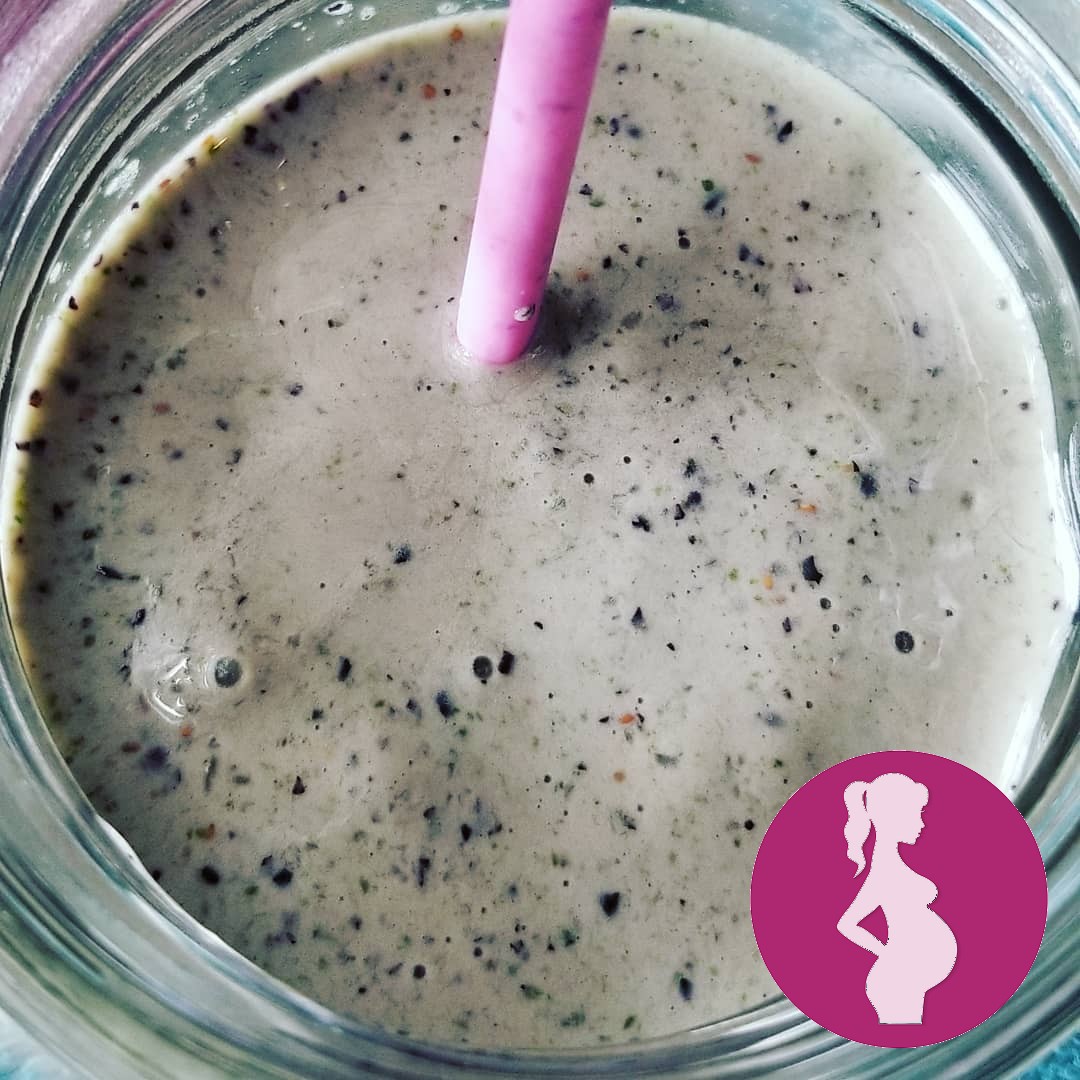
My hubby was so sweet with helping me out last night! He thinks I might need to eat more iron so the pic is my breakfast of a spinach and blueberry vanilla protein shake.
Have any of you experienced low body temp while pregnant? Any suggestions for me?
.
.
.
#8weekspregnant #earlypregnancy #pregnant #pregnancymigraines #vomiting #lowiron #pregnancybleeding #lowbodytemp #stickbabystick #rainbowpregnancy #pcospregnancy #pcos #pcosttc #pcoscommmunity #ttc #ttcjourney #ttccommunity #ttcsisters #ttctribe #fertilityjourney #infertility #infertilityjourney #infertilityawareness #infertilitycommunity #iam1in8 #miscarriage #pregnancy #pregnancyloss #iam1in4 #rainbowbaby
What are some possible long-term complications that can happen after a C-section
You wanted to know what possible long-term complications may result from having a C-section. And there are a few that are possibilities, but the ultimate thing to keep in mind is that whenever a doctor is considering a C-section for a woman and her baby, they’re always weighing out the risks versus the benefit, because they know that there are potential risks associated with it and they don’t want to subject the woman to that unless it’s necessary for the safety and wellbeing of her and her baby at that point in time. When a woman does need a C-section, there are some possible complications that can result. One is an ileus (or an intestinal blockage) and this happens in about 10% to 20% of cases. Others include possible numbness and tingling, endometriosis associated with scar issues. Some women also develop endometritis, which is the inflammation of the endometrial lining inside of the uterus relating to infection in most cases. 2% to 4% of women require a blood transfusion after a C-section, because of hemorrhage. 1% to 2% of women experience womb complications. And less than 1% of women have surgical injuries.
Now there are definitely implications for future pregnancies. Whether you’ve had 1, 2, 3 or 4 previous C-sections, a woman is at risk for abnormal placental attachment, like a placenta previa where the placenta is attached over the cervix, or an acreta where the placenta attaches too deeply or into more structures than it should, and it makes it hard to deliver [the placenta] after the baby is delivered, and can cause postpartum hemorrhage. Uterine rupture is also a potential risk, because every time a baby is delivered by C-section, the doctor makes an incision on the uterus, delivers the baby, stitches it up, and it heals nicely, but it’s still a weak point forever more, and that weak point on the uterus is tested during future pregnancies and especially labors. There’s the potential for it to burst open, and when this happens, it’s potentially life-threatening to mothers and babies.
If you are having specific symptoms that you’re concerned about that you think may have been related to a past C-section, don’t hesitate to talk with your doctor, and based on their knowledge of your circumstances and ability to look up your history and ask more specific questions, they’ll be able to give you tailored information and advice about what your symptoms are related to and whether that is from a previous C-section or not. And if you get pregnant again, ask your OB provider about what implications your pregnancy history will have on this current pregnancy. If you have more questions in the future for me, feel free to ask them at Intermountain Moms on either our Facebook or Instagram pages, and recommend us to your friends and family too.