

🤰🏻.
.
.
.
#pregnant #earlypregnancy #5weekspregnant #6weekspregnant #firsttrimester #winter2020 #babynumber2 #familyof4 #onemoretoadore
Month: July 2019
Is it normal to have a bowel movement during labor

You wanted to know if there’s a certain point when you should stop eating in order to avoid having a bowel movement during labor and delivery. And the fact of the matter is that it’s totally normal to have a bowel movement at some point, especially when it comes time to push, and avoiding eating prior to is not going to affect that. And you shouldn’t do that. You shouldn’t starve yourself. It is true that once you come to the hospital, the doctor will say that you can only have ice chips or maybe clear liquids, but that’s to reduce your risk for aspiration pneumonia if you had to have general anesthesia, and to also just avoid being really sick from eating something during labor and throwing up. But not eating is not going to affect whether or not you have a bowel movement.
It’s completely normal, especially when you’re pushing the baby out, to have a bowel movement. Your nurse will probably tell you something like, “Push like you have the worst constipation of your life.”, because you use the same muscles to push a baby out that you use when you have a bowel movement. And so if you’re obedient and following their instructions, then something else is going to come out, and that’s totally fine. It’s not a big deal to your caregivers. They’ll discreetly take care it and you don’t even have to think about it. Just focus on pushing well and focus on the cute baby that you’re about to meet. If you have more questions in the future for me, feel free to ask them on our Intermountain Moms Facebook and Instagram pages, and recommend us to your friends and family too.
Purchased some light reading material I cant help but have a tiny voice in the back of my head tel…
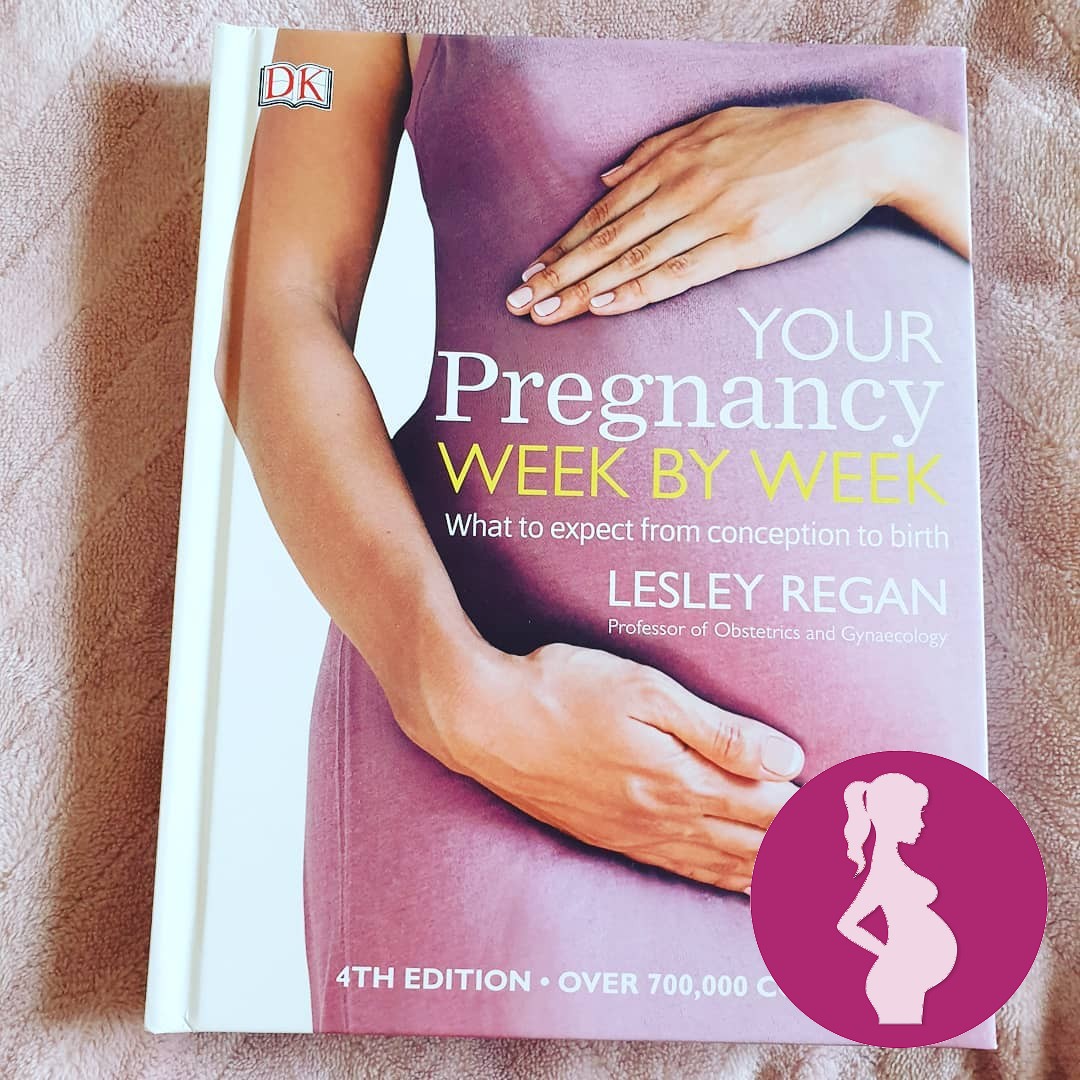
Purchased some light reading material 📚
I cant help but have a tiny voice in the back of my head telling me I’m tempting fate if i start buying pregnancy things 🙈
Nonetheless it will be useful even if this doesn’t work out
#ivfjourney #ivf #icsi #icsijourney #ivfpregnancy #8w3d #earlypregnancy #pregnancyafterloss
What are the symptoms of PMS

PMS, or premenstrual syndrome, is something that most women experience. And a lot of research has been done on this topic, and most surveys have shown that most women experience PMS symptoms for about 6 days out of each month. And most commonly, it’s 4 days leading up to the beginning of the period and for the first 2 to 3 days of the actual period. PMS can definitely affect you physically and emotionally. Physically, you might feel more bloated, you might have breast tenderness, be a little bit dizzy, or have headaches, and for sure, you may have cramps once your period starts. And sometimes you experience a little bit nausea, and this might be due to the fact that you have food cravings, and we tend to overeat when we have PMS. And if you eat a lot of food, or especially salty foods, then this can cause you to have some stomach discomfort.
Emotional side effects can include irritability, you’re just not quite yourself, things set you off more easily, maybe you feel a little bit of anxiety, or maybe you’re just more sad than usual. All of these things can be normal, and so one of the first questions you should ask yourself if you’re just not feeling like yourself is, “What time of the month is it?” If you’re in that window where it’s a few days before your period or the first few days of, then it may very well be PMS. However, if you’re experiencing these things so severely that it’s affecting your ability to function, or if these things persist past the point when they really should in your cycle (you experience them at other points in your cycle), then I suggest talking with your doctor about it. And after asking more specific questions and taking their knowledge of your health history into account, they’ll be able to give you tailored information and advice about what the most probable cause is and whether treatment is necessary or not.
If they determine that your symptoms are indeed due to PMS, unfortunately there’s no cure for it, but there are some things that you can do to help. Exercising throughout your cycle (the whole time, during your period and during the rest of the month) is recommended. This is good for your emotional and physical well-being. Find ways to relax. This is going to be different for everyone. Maybe you’ll want to schedule some time each month where you just go off and do something by yourself that you enjoy for even if it’s just a half hour. That can make a difference, and really recharge your battery, and make it easier to face the day when you’re experiencing PMS. If bloating is a big problem, avoid overeating, and overindulging, and all of those foods that sound so tempting. And avoid super salty foods, because those will all contribute to bloating. If you have more questions in the future for me, feel free to ask them on our Intermountain Moms Facebook and Instagram pages, and recommend us to your friends and family too.
Heartbreaking news. I have been absent more often here because I was pregnant. Had a 10 week ultraso…
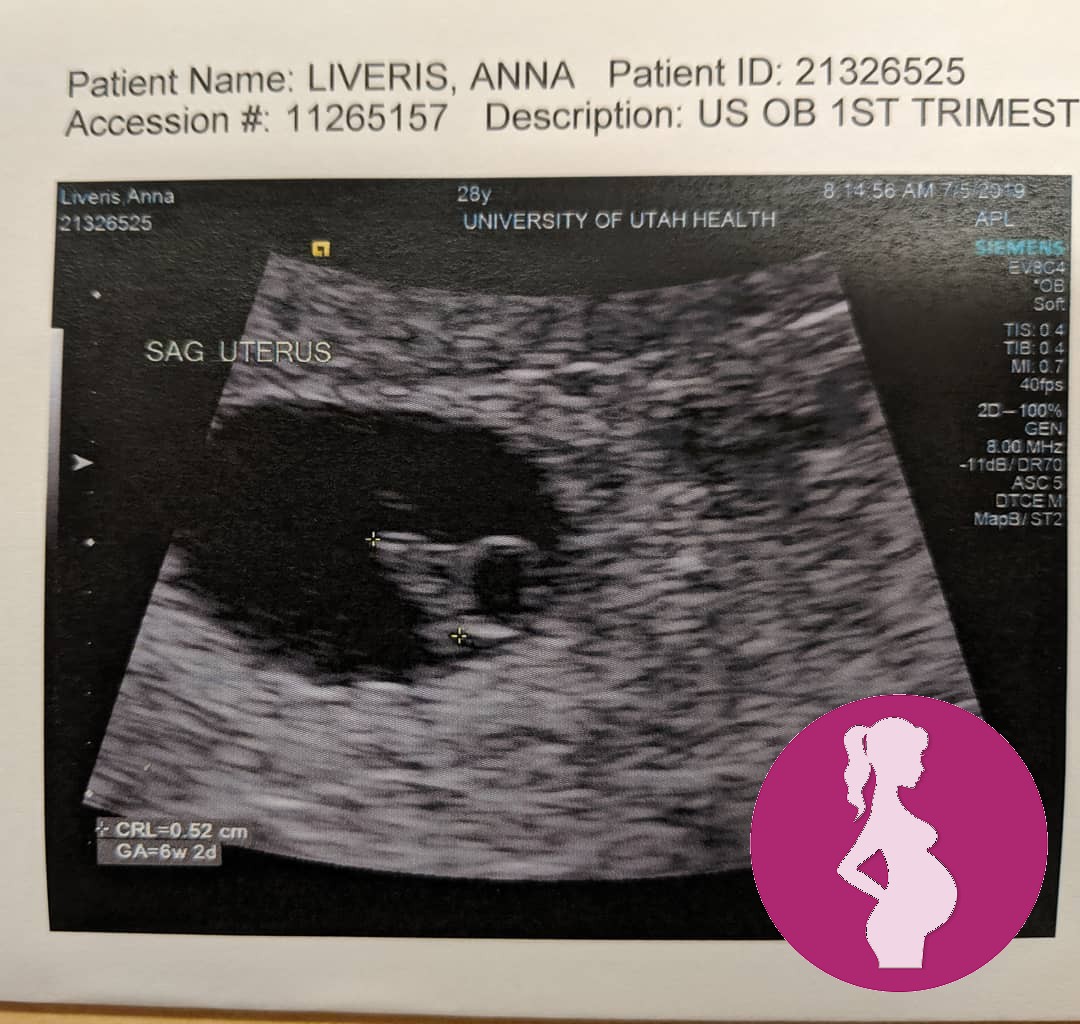
Heartbreaking news. I have been absent more often here because I was pregnant. Had a 10 week ultrasound today and found out baby’s heart stopped beating and stopped growing at 6 weeks 2 days. It is a missed miscarriage. I will have to have surgery.
.
.
.
. .
.
.
.
.
.
#loss #earlypregnancy
My toddler gets motion sickness. What can I do

A lot of people struggle with motion sickness – adults and children alike, but it’s easier for an adult to cope with it, and a child may not know how to tell you what they’re experiencing, and they certainly won’t know what to do when they experience feelings of motion sickness. So if you’re going on a long car ride and you’re afraid that your children might have it, or they’ve had it in the past and you just want to be prepared, then here are some tips to keep in mind.
First of all, it’s helpful to understand what causes motion sickness. Basically, our eyes, and our ears, and the nerves of our extremities and joints all send signals to the brain about our movement in space. And when you’re in the car, your ears may sense movement, and if you’re not looking outside, your eyes won’t sense that and your joints won’t, so the brain is getting conflicting messages and it actually makes you sick. It usually causes a headache, or an upset stomach, and even vomiting.
The best thing you can do to stop motion sickness from happening is stop the car, and get out, and walk around. If this is possible, then do so, and take frequent stops. And it even helps if the person is far off the road in a safe place, and just lays down flat on their back, and closes their eyes, and lets their brain reset (as far as their stimulation goes and the messages that are being received from their eyes, and their ears, and their joints), and that usually helps to get them back to a good base line. But if you get back in the car, especially if you’re in a winding canyon or something, it’s likely to continue. So you want to encourage them, if they can, to look out the window, and with young children, this can be difficult, because (especially if their rear-facing still or their carseat is really low in the car) it will be hard for them to look outside, but encourage them to do so if they’re able to understand.
Help to keep them distracted, and you can use things that will keep their eyes up, especially if they’re very small. Discourage them from looking down and reading books or coloring if they’re old enough to do so. Try talking to them, listening to the radio and singing together, anything that’s going to mentally distract them. And actually, it can be helpful if you start the road trip out by giving them a light snack, because if they’re hungry, then that will actually make the stomach queasiness they experience with motion sickness even worse.
There are over-the-counter medications designed to help with motion sickness, but I suggest talking with your pediatrician before giving them to your children, especially if they’re very small, and they can tell you if they feel like it’s safe or not for your child. It’s also important to keep in mind that there may be undesired side effects associated with medication like dry nose and mouth, and extreme fatigue, and so once you get to where you’re going, they may be so tired that they’re not able to function if you give them those medications.
If you find that your child is experiencing symptoms of motion sickness when you’re not in a car, or on a merry-go-round, or on a swing, if you notice that your child just spaces out for a moment, if they have a headache, or they have difficulty seeing, talking, or hearing, then talk with your pediatrician about your observations and concerns. These symptoms can be signs of other underlying problems that warrant further investigation and your pediatrician can give you tailored information and advice about it. If you have more questions in the future for me, feel free to ask them on our Intermountain Moms Facebook and Instagram pages, and recommend us to your friends and family too.
This is an exciting day for Jane and Joe. They have their first trimester ultrasound today. Jane is …

This is an exciting day for Jane and Joe. They have their first trimester ultrasound today. Jane is a bit nervous because she does’t know what to expect, but Joe is so happy because he thinks this experience will make the pregnancy more real for him! 🤰🏼
It’s not standard, but a lot of women get an ultrasound in their first trimester.🤗
Most of your ultrasounds during pregnancy are done directly on your belly, but because your baby is teeny-tiny in the first trimester, the ultrasound tech uses a transvaginal wand to perform the ultrasound. ✨The wand is basically like a long stick. The ultrasound technician puts a condom and lubricant on and gently inserts it into your vagina. It shouldn’t hurt at all, although it can be uncomfortable at first. It’s definitely not as long as the one on the picture! 🤪😂
During this scan they will measure the embryo and depending on how far along you are in the pregnancy they will look for cardiac activity, that’s just a fancy term for heart beat! If you are more than 6 or 7 weeks pregnant they can usually detect a heart beat, but not always! Remember, every pregnancy is different, and you may think you are further along than you actually are and if your doctor is worried about anything you might be scheduled for a repeat scan. 📺
The technician will be measuring the gestational sac – that’s where your baby lives and the yolk sac – which is what nourishes your baby in the beginning. Basically they compare those measurements to a bunch of other ultrasounds to determine how many weeks you are! They also do a bunch of other measurements to make sure your pregnancy is progressing as it should!☺️
The first trimester ultrasound is the most accurate ultrasound for dating the pregnancy so if you aren’t sure on your dates according to your last period, this ultrasound will be the best way to figure out when you are due.🤰🏼
Did you have a first trimester ultrasound? How was your experience? Please comment below!😊
#babytalk #birthwithlego #preggolego #firsttrimesterultrasound #ultrasound #pregnancyeducation #firsttrimester #pregnancyblog #4monthspregnant #earlypregnancy #secondtrimester #30weekspregnant #preggers #bump
How can I keep my toddler from unlatching his car seat
You mentioned that you have a toddler that likes to unbuckle their carseat while you’re driving. And other parents have issues with their kids just acting like Houdini and slipping their way out of their carseat harness. And so what do you do when your child does these things. The first thing you should do is stop the car, pull over where you’re going to be safe, and tell them that you’re not going anywhere until they’re back in their seat. And you need to make it clear that safety is not up for negotiation, and this may mean that you’re sitting there as long as it takes for them to get buckled again, and they might miss a playdate at the park, or they might miss seeing their favorite person, or going to a birthday party, or going to the store to get a treat, or whatever it was that you were on your way to do, they won’t be able to do that until they’re buckled. And after you’re persistent and consistent enough about this, then hopefully they’ll decide at their own accord that it’s better to just stay buckled rather than to deal with the natural consequences of not being able to go anywhere in the car when they unbuckle themselves.
Usually when a child is old enough to try to get themselves out of their carseat, they’re also old enough to reason a little bit, and try explaining to them why you want them to stay buckled, because you love them and they’re not safe when they aren’t buckled. Along the line of consequences and reasoning, you may also want to go to your local police department and see if there’s an officer available to talk to them about why they want to stay in their carseat and what the consequences might be when they’re not buckled. Sometimes this is like a positive scare tactic that will help them stay buckled while you’re driving.
You can also try positive reinforcement by offering toys in the car that they can only play with while they’re buckled. Or you can offer them candy after the ride that they’ve completely stayed buckled for, or a new toy, or something. Whatever is going to work for your toddler, try positive reinforcement and see how that goes. Distraction can also go a really long way, so in addition to giving your child a special toy to play with while they’re buckled, just keep your car locked and loaded with their favorite songs, or maybe their favorite treat. Again, these go along with positive reinforcement and other things that they can keep in their hands so that they’re busy playing instead of trying to unbuckle their seat. There are actually buckle guards that you can purchase and they have been effective for a lot of parents. They fit over the buckled portion so that the child can’t actually activate the buttons that release the lock. So those are worth a shot if all else fails.
My last piece of advice for you is to think about your reaction to your child’s behavior. Kids actually prefer negative attention to no attention, so sometimes they’re just doing that to get your attention, and it you react by overreacting, then sometimes that reinforces their behavior. So of course, you have to do something about it, but as you stop the car and talk to them, do it all calmly, but firmly, set expectations, and set consequences, and follow through with them every time, and that should help break the habit of trying to get out of their seat. You can’t expect perfection the first time, so that’s why it will require persistence and consistence on your part. Good luck with it, and if you have more questions in the future for me, feel free to ask them on our Intermountain Moms Facebook and Instagram pages, and recommend us to your friends and family too.
earlypregnancy loss miscarriage

#earlypregnancy #loss #miscarriage
When can I circumcise my baby boy
You mentioned that you’re having your first boy and you wanted to know when the circumcision is going to take place – in the hospital or later on in the doctor’s office. And ultimately, this is a good question for your pediatrician. There’s a few factors that will go into their decision for the timing of it. They include: insurance, the well-being of the baby after delivery (like, are there complications, are they eating well, do they have jaundice), and then it also depends on whether or not there are any abnormalities. If there are any abnormalities seen, then they’ll likely defer to a urologist who could address the abnormality as well as circumcise the child at the same time.
Pros to doing it in the hospital include: just getting it done so that you don’t have to worry about it later, and babies kind-of go into a dream-state after delivery, and so they’re not as aware of the world around them as they are a few days after birth. And so if it’s delayed till about their 1 or 2 week check-up, then they may be more aware and irritable during the procedure. At 1 to 2 weeks of life, there is a slightly higher chance of bleeding as well, but the risk is very, very low and the chance of it happening is very slim.
Whether it’s done in the hospital or an office setting, it’s the same procedure and the same comfort measures are used: local anesthesia and a little sugar water for them to suck on for comfort. I suggest asking your pediatrician about other concerns and questions you might have about it and they’ll be able to give you tailored information and advice. If you have more questions in the future for me, feel free to ask them on our Intermountain Moms Facebook and Instagram pages, and recommend us to your friends and family too.